

North Carolina, October 21, 2025
News Summary
North Carolina is facing heightened wildfire risks as the fall wildfire season kicks off, exacerbated by worsening drought conditions across the state. With most regions classified as abnormally dry, officials warn residents, particularly in western areas, to clear away debris and take preventive measures. Human activities are largely to blame for these fires, with nearly all wildfires linked to careless behavior. The North Carolina Forest Service advises maintaining a defensible space around homes to minimize fire hazards and encourages community engagement in wildfire prevention efforts.
North Carolina Faces Increased Wildfire Risks Amid Drought Conditions
As the fall wildfire season begins, running from October to early December, North Carolina is grappling with worsening drought conditions across the state. Most regions are classified as abnormally dry, significantly heightening the risks of wildfires.
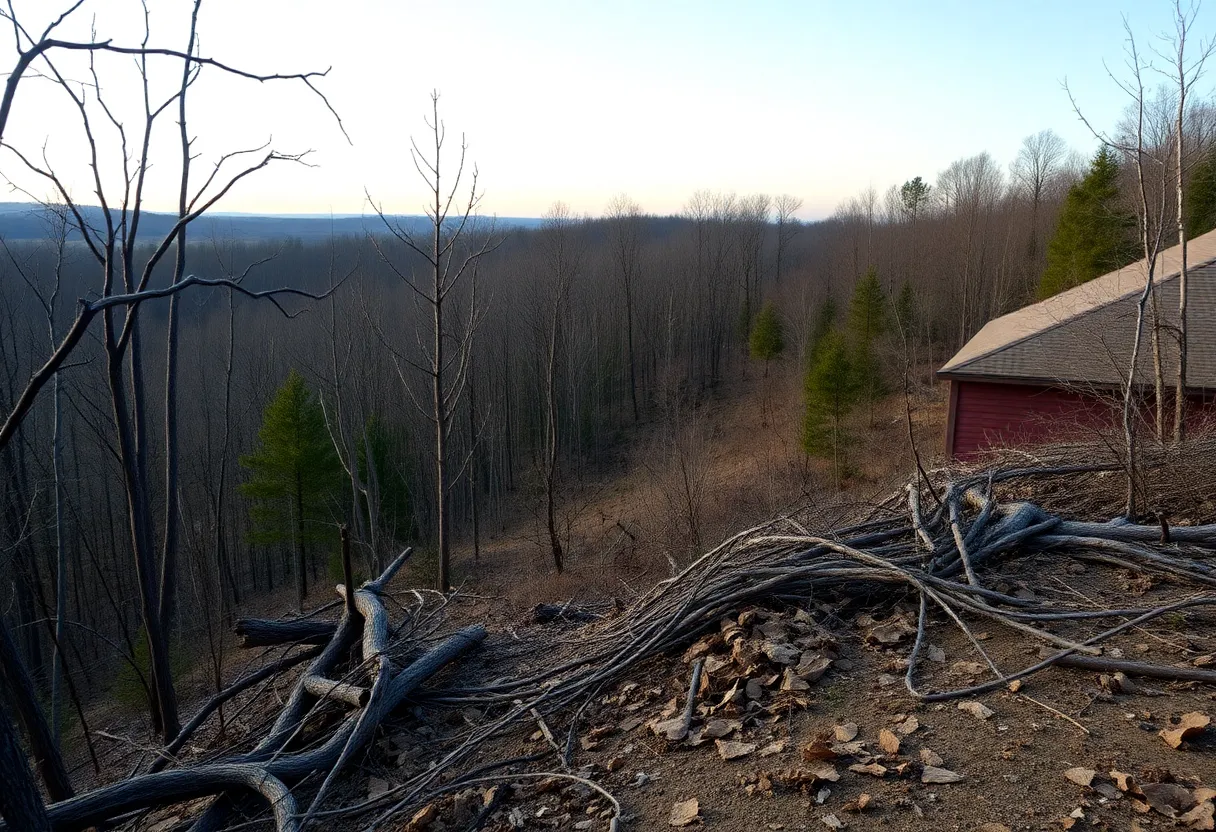
The situation is particularly alarming in western North Carolina, where debris left from Tropical Storm Helene exacerbates the fire risk. The Asheville Fire Department is actively urging residents to take protective measures for their homes by clearing away flammable debris such as pine needles and dead leaves from their properties.
Residents are also advised to securely store combustible items, including furniture cushions and potted plants, away from doors, decks, and patios to prevent potential ignition sources. The North Carolina Forest Service (NCFS) reports that nearly all wildfires in the state are attributable to human activities, including careless backyard burning, campfires, and equipment use like tow chains.
Agriculture Commissioner Steve Troxler has noted that human activities are responsible for over 99% of wildfires, while some wildfires can still stem from natural causes like lightning strikes or downed powerlines. The NCFS indicated that between July 1, 2024, and June 30, 2025, they responded to nearly 5,600 wildfires that burned more than 34,000 acres.
Common ignition sources for human-caused wildfires include backyard debris burning, machinery and vehicle use, arson, and escaped campfires. To mitigate risks, the NCFS recommends maintaining a defensible space by removing leaves and landscaping mulch at least five feet from structures. In cases where outdoor fires are planned, residents should keep essential tools such as a water source, shovel, and rake readily available.
Residents are encouraged to contact local county rangers for guidance on wildfire prevention measures. They should also prepare for the potential impact of wildfire smoke, especially in high-risk areas, to protect their health. Dried debris from storms like Hurricane Helene can take a few years to decompose, leading to ongoing fuel risks for fires.
For those seeking more information on air quality and wildfire prevention, various online platforms provide resources, including ncair.org and preventwildfirenc.org. The high incidence of human-caused wildfires underscores the need for proactive measures as North Carolina enters its critical wildfire season.
FAQ
When does the fall wildfire season begin in North Carolina?
The fall wildfire season in North Carolina runs from October to early December.
What are the current drought conditions in North Carolina?
Drought conditions are worsening across North Carolina, with most areas classified as abnormally dry.
What is causing the increased wildfire risk in western North Carolina?
Western North Carolina is facing increased wildfire risks due to leftover debris from Tropical Storm Helene.
What human activities contribute to wildfires in North Carolina?
The NCFS reports that nearly all wildfires in the state are caused by human activities, including careless backyard burning, campfires, and equipment use like tow chains.
What can residents do to protect their homes from wildfires?
Residents are urged to clear debris, store combustible items away from doors and patios, and maintain a defensible space by removing leaves and landscaping mulch from around structures.
Deeper Dive: News & Info About This Topic
HERE Resources
Western North Carolina Residents Urged to Stay Informed on Storms
Asheville to Clear Storm Debris from North Fork Reservoir
Widespread Panic Delivers Unforgettable Concert in Asheville
Historic Flash Flooding Hits Multiple States
Saluda, North Carolina Recovers From Hurricane Helene
Asheville Prepares for an Unforgettable Fourth of July
Asheville Prepares for Heavy Rain and Thunderstorms This Weekend
NCEI Prepares for 2025 Hurricane Season in Asheville
Heavy Rain and Flooding Ahead: Prepare for an Atmospheric River!
Asheville Firefighters Heroically Rescue Man from Sinking Car
Additional Resources
- ABC11: NC Forest Service Tips for Preventing Wildfires
- 828 News Now: Dry Conditions Raise Wildfire Risks
- Carolina Journal: NC Faces High Fire Risk
- SFN Today: NC Forest Service Calls for Wildfire Preparedness
- WCNC: How Wildfires Form
- Wikipedia: Wildfire
- Google Search: Wildfire Prevention
- Google Scholar: Wildfire Management
- Google News: North Carolina Wildfire Season


Author: STAFF HERE ASHEVILLE WRITER
The ASHEVILLE STAFF WRITER represents the experienced team at HEREAsheville.com, your go-to source for actionable local news and information in Asheville, Buncombe County, and beyond. Specializing in "news you can use," we cover essential topics like product reviews for personal and business needs, local business directories, politics, real estate trends, neighborhood insights, and state news affecting the area—with deep expertise drawn from years of dedicated reporting and strong community input, including local press releases and business updates. We deliver top reporting on high-value events such as the Asheville Bread Festival, LEAF Festival, and mountain sports tournaments at Biltmore Estate. Our coverage extends to key organizations like the Asheville Area Chamber of Commerce and Explore Asheville Convention & Visitors Bureau, plus leading businesses in hospitality and brewing that power the local economy such as the Biltmore Estate and Sierra Nevada Brewing Company. As part of the broader HERE network, including HERECharlotte.com, HEREGreensboro.com, HERERaleigh.com, and HEREOBX.com, we provide comprehensive, credible insights into North Carolina's dynamic landscape.